
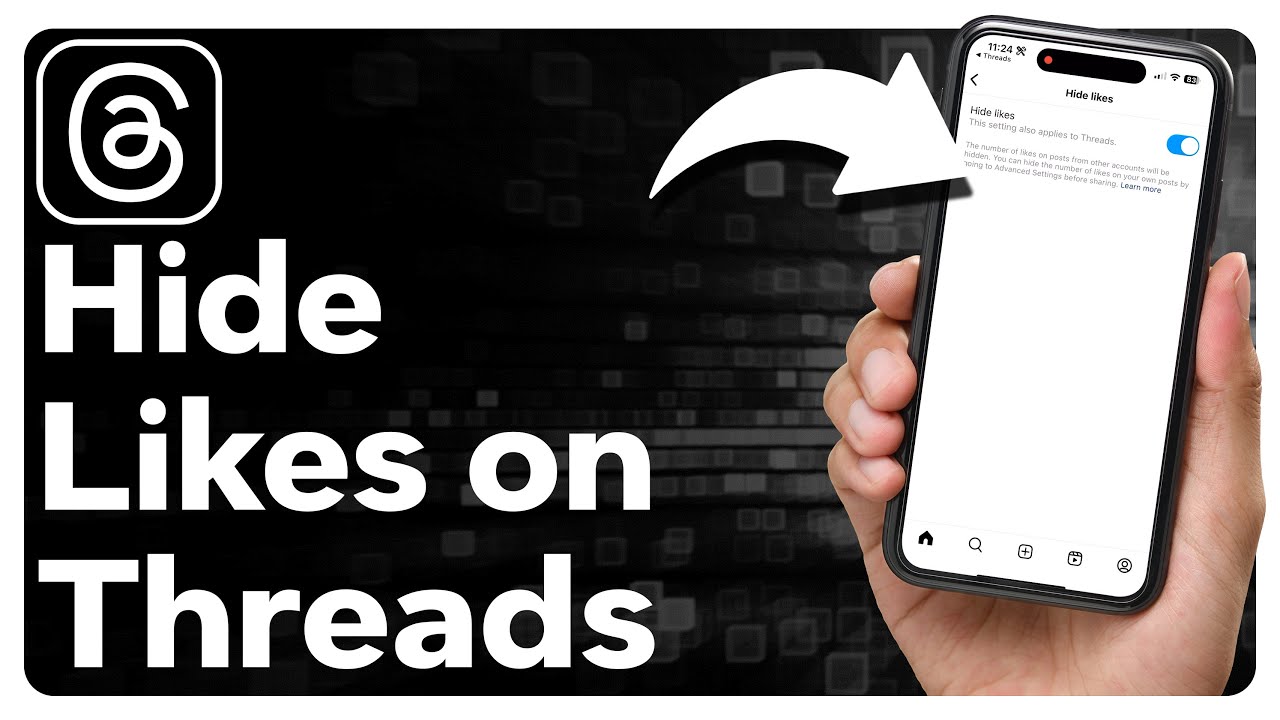
Introduction: Taking Back Control
In today’s digital age, social media platforms have become an integral part of our daily lives. We use them to connect with friends, share our thoughts and experiences, and engage in conversations with like-minded individuals. However, the constant validation-seeking culture that has emerged on these platforms often leaves us feeling overwhelmed and anxious. One of the main culprits behind this is the ‘like’ button. It has become a measure of popularity, causing us to constantly seek approval from others. But what if we could disable likes on threads and reclaim our online experience? In this article, we will explore the steps you can take to regain control over your social media interactions and create a more meaningful online environment.
The Pitfalls of the ‘Like’ Button
Before we delve into how to disable likes on threads, let’s take a moment to understand why this feature can be detrimental to our well-being. The ‘like’ button was initially introduced as a way to express appreciation and acknowledge content. However, it has evolved into a popularity contest, where the number of likes a post receives determines its worth. This constant pursuit of validation can lead to a variety of negative effects, such as:
- Low self-esteem: When our self-worth becomes tied to the number of likes we receive, it can erode our confidence and make us question our value.
- Social comparison: The ‘like’ button encourages us to compare ourselves to others, fostering feelings of envy and inadequacy.
- Approval-seeking behavior: We may find ourselves tailoring our posts and opinions to align with popular trends, rather than expressing our true selves.
- Addictive tendencies: The dopamine rush we experience when receiving likes can create an addictive cycle, leading to excessive time spent on social media.
Step 1: Choosing the Right Platform
The first step in disabling likes on threads is to select a social media platform that offers this functionality. While some platforms, such as Facebook and Instagram, do not currently provide an official option to disable likes, others, like Twitter, have recognized the need for more user control. Twitter’s recent introduction of the ability to hide replies is a step in the right direction, as it allows users to control the visibility of certain interactions. However, if you are looking for a more comprehensive solution, consider exploring alternative platforms that prioritize user autonomy and well-being. These platforms often provide more extensive customization options, allowing you to disable likes on threads entirely.
Step 2: Exploring Third-Party Extensions and Tools
If your preferred platform does not have built-in options to disable likes on threads, fear not! There are several third-party extensions and tools available that can help you achieve this goal. These tools work by modifying the appearance and functionality of the platform, giving you more control over your online experience. You can easily find and install these extensions through your browser’s extension store. Once installed, they will allow you to customize the platform according to your preferences, disabling likes on threads and removing the constant pressure for validation.
Step 3: Communicating Your Intentions
Disabling likes on threads is a personal choice, and it’s important to communicate your intentions with your online community. Let them know that you are taking this step to prioritize meaningful interactions and reduce the impact of popularity-based judgments. By explaining your decision, you can foster a more understanding and supportive online environment. Remember, open communication is key to building healthy relationships both online and offline.
Frequently Asked Questions
Q: Will disabling likes on threads affect engagement on my posts?
A: While disabling likes on threads may reduce the number of visible interactions, it can actually enhance the quality of engagement. Without the distraction of likes, people are more likely to focus on the content of your posts and engage in meaningful conversations. Remember, it’s the quality, not the quantity, of interactions that truly matters.
Q: Can I selectively disable likes on certain threads?
A: Depending on the platform or third-party tool you choose, you may have the option to disable likes on specific threads. This can be useful if you want to experiment with different approaches or create designated spaces for focused discussions.
Q: What other benefits can I expect from disabling likes on threads?
A: Disabling likes on threads can lead to a more authentic online experience, where people feel comfortable expressing their opinions without fear of judgment. It can also help reduce the pressure to conform to popular trends and encourage more diverse perspectives.
Conclusion: Rediscovering Authentic Connections
In a world dominated by the pursuit of likes and popularity, disabling likes on threads can be a powerful tool to reclaim control of our online experiences. By stepping away from the constant validation-seeking culture, we can create a more authentic and meaningful online environment. Whether through platform-specific settings or third-party extensions, the power to disable likes on threads is in our hands. So, take a moment to reflect on your online interactions and consider whether it’s time to embrace a new approach. Remember, it’s not about the number of likes, but the quality of connections that truly matter.